Currently Empty: $0.00
Pilot Controls vs. Mechanical Controls: Does It Change Engine Demand?
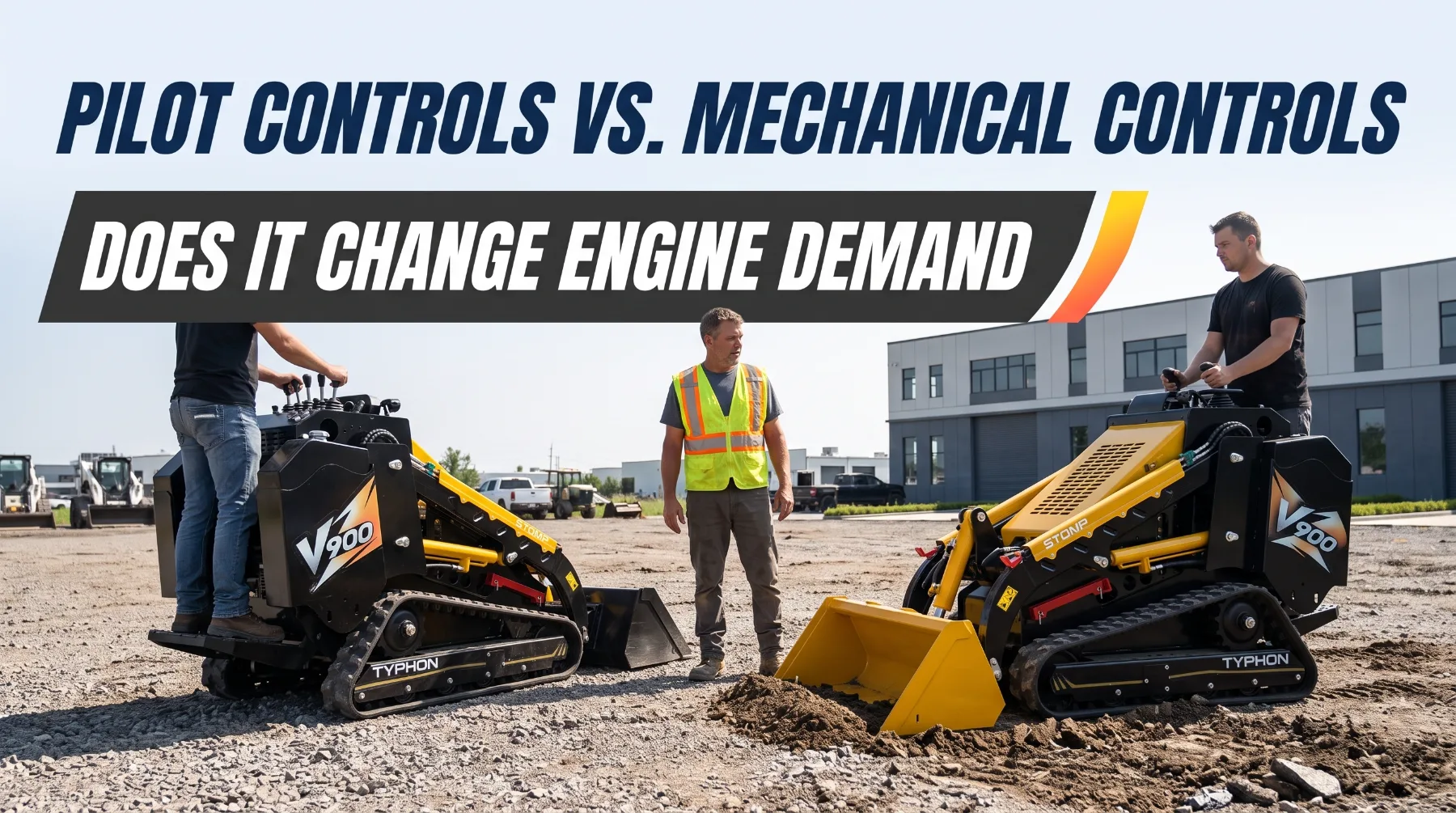
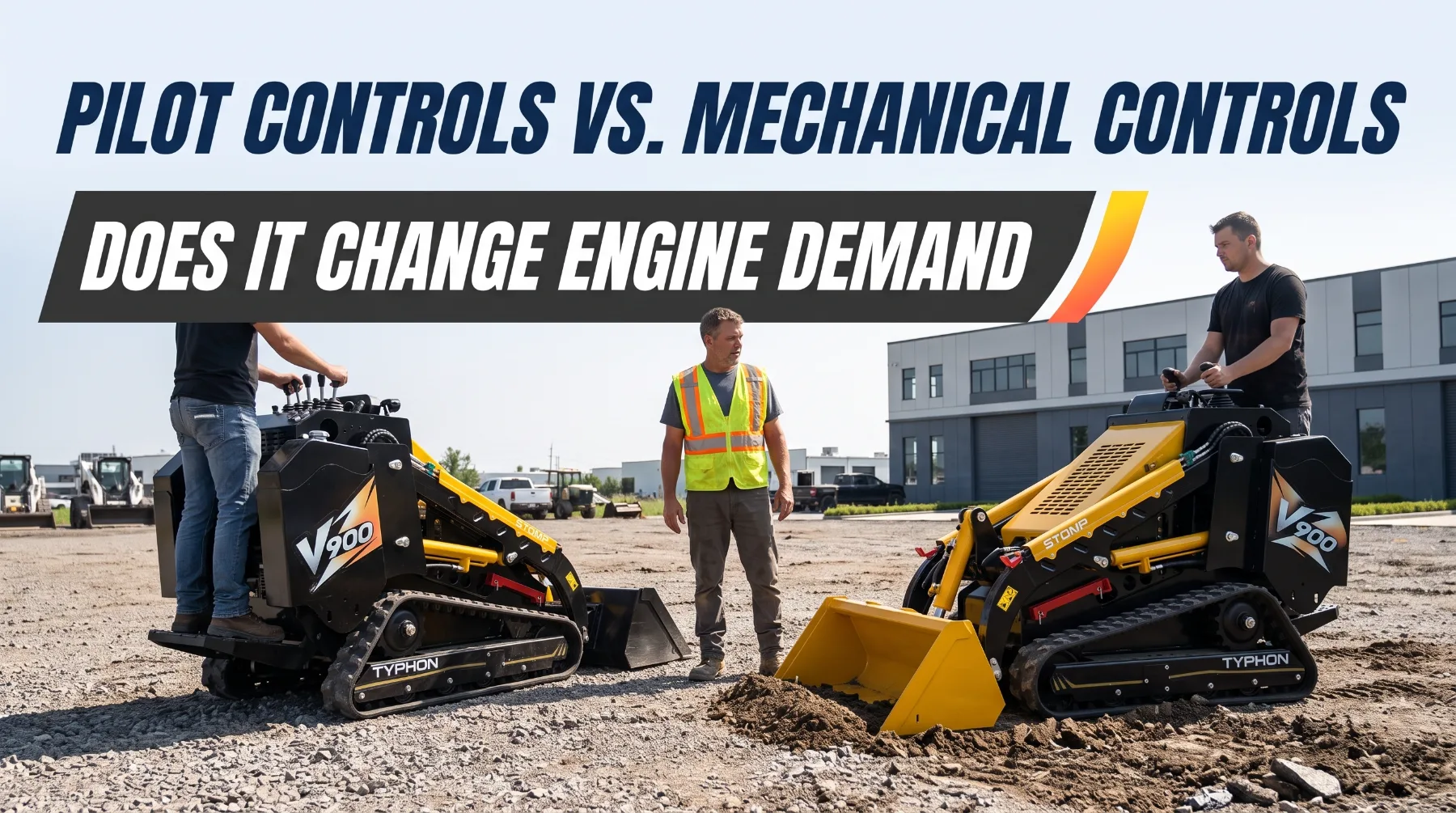 A grading contractor test-drives two skid steers back to back on the same lot, moving the same pile of fill across the same rough patch of ground. The first machine answers every push of the hand levers with a direct, mechanical firmness, while the second glides through the same motions with a light, effortless touch that barely tires the wrist. Halfway through the second bucket, the operator asks the question that quietly nags at anyone comparing machines: does that softer, easier feel change how hard the engine works, or is it just a nicer way to command the same power? That question sits at the heart of choosing between pilot and mechanical controls, and answering it honestly is what keeps a buyer from paying for a feel they misunderstand or dismissing a system that would serve them better. Control type shapes how an operator commands a skid steer, and it touches comfort, precision, and the way the machine draws on its power. Understanding how mechanical and pilot systems differ, and what each asks of the engine, helps you buy and run the right machine with confidence.
Operator Control Makes a Difference
Control is the bridge between an operator's intent and a skid steer's action, so the system that carries that intent shapes every task the machine performs. Whether an operator wants to inch a bucket into a precise spot or drive full power into a dense pile, the controls translate that wish into movement, and how faithfully they do it determines how well the work goes. A control system suited to the operator and the job turns a capable machine into a productive one. Precision rides directly on the control system, because fine work demands a machine that answers small inputs gently rather than lurching at the first touch. Grading a smooth surface, setting a pallet on a rack, or feathering an attachment through delicate material all reward controls that let an operator meter power in careful measures. The feel of the system at the operator's fingertips decides whether those exacting tasks come easy or fight back. Comfort and confidence complete the reason control type earns real attention, since an operator who trusts the machine works faster and safer through a long shift. Controls that feel natural and predictable let the operator focus on the work rather than wrestling the levers, which shows up in both output and fatigue by day's end. Key takeaway: the control system links operator intent to machine action, shaping precision, comfort, and confidence, which is why the way you command a skid steer deserves careful thought.
How Mechanical Controls Work
Direct connection defines the mechanical control system, since the levers in the operator's hands link to the machine's hydraulic valves through a physical arrangement of rods, linkages, and pivots. When the operator pushes a lever, that motion travels through the mechanical linkage and physically shifts the spool inside the control valve, opening the flow of hydraulic fluid that drives the wheels or the loader arms. Nothing sits between the hand and the valve except solid, moving hardware. Feedback comes built into that direct link, giving mechanical controls a firm, connected feel many seasoned operators prize. Because the lever is physically tied to the valve, the operator senses the machine through the controls, feeling the resistance and the load in a way that communicates what the hydraulics are doing. That honest, tactile connection is exactly why some operators who grew up on mechanical machines never want to give it up. Simplicity rounds out the mechanical system's character, since fewer specialized components mean a design that is straightforward to understand and often less costly to buy and repair. The linkages are rugged, the layout is easy for a technician to trace, and a shop far from a dealer can usually service the system without specialized parts. Key takeaway: mechanical controls link the levers directly to the hydraulic valves through physical hardware, delivering a firm, connected feel and a simple, rugged design that many operators value.
How Pilot Controls Work
Consider the pilot system, and the physical linkage disappears entirely, replaced by hydraulics doing the work of translation. Rather than a rod pushing a valve spool, the operator's joystick controls a small flow of low-pressure hydraulic fluid, and that pilot fluid then shifts the main control valve that powers the machine. The hand commands a gentle hydraulic signal, and the signal commands the muscle. Effortless motion is the immediate result of that arrangement, because moving a small stream of pilot fluid takes far less force than shoving a mechanical linkage. The joystick glides with a light, smooth action that responds to the slightest input, so an operator meters power through fine, easy movements rather than firm pushes against spring-loaded levers. This soft, precise feel is the signature of a pilot-controlled machine. Refinement extends beyond the feel, since a pilot system opens the door to features a purely mechanical setup cannot easily offer. Adjustable control patterns, selectable sensitivity, and smoother modulation all become possible because the joystick sends a signal rather than a shove, letting manufacturers tune the machine's response to suit different operators and tasks. Key takeaway: pilot controls replace physical linkages with a low-pressure hydraulic signal, giving the operator an effortless, refined, and adjustable command over the machine's power.
How Each System Affects Engine Demand and Hydraulic Load
Here is the question that started it all, and the honest answer surprises many buyers: the control type has little direct effect on how hard the engine works to perform a given task. Whether an operator commands the machine through a mechanical linkage or a pilot signal, the actual work of digging, lifting, and driving draws its power from the same main hydraulic system, and moving a bucket of fill demands the same engine output regardless of how the command arrived. The controls decide how the operator asks for power, not how much power the task ultimately requires. Pilot systems do add one small draw that mechanical systems avoid, though its size keeps it minor in the bigger picture. A pilot circuit needs its own supply of low-pressure hydraulic fluid, which means the pump must generate that pilot pressure whenever the machine runs, placing a slight, constant load on the system that a mechanical setup never imposes. That draw is real, but it is tiny beside the power the machine spends on its actual work, so it rarely registers in fuel use or performance.
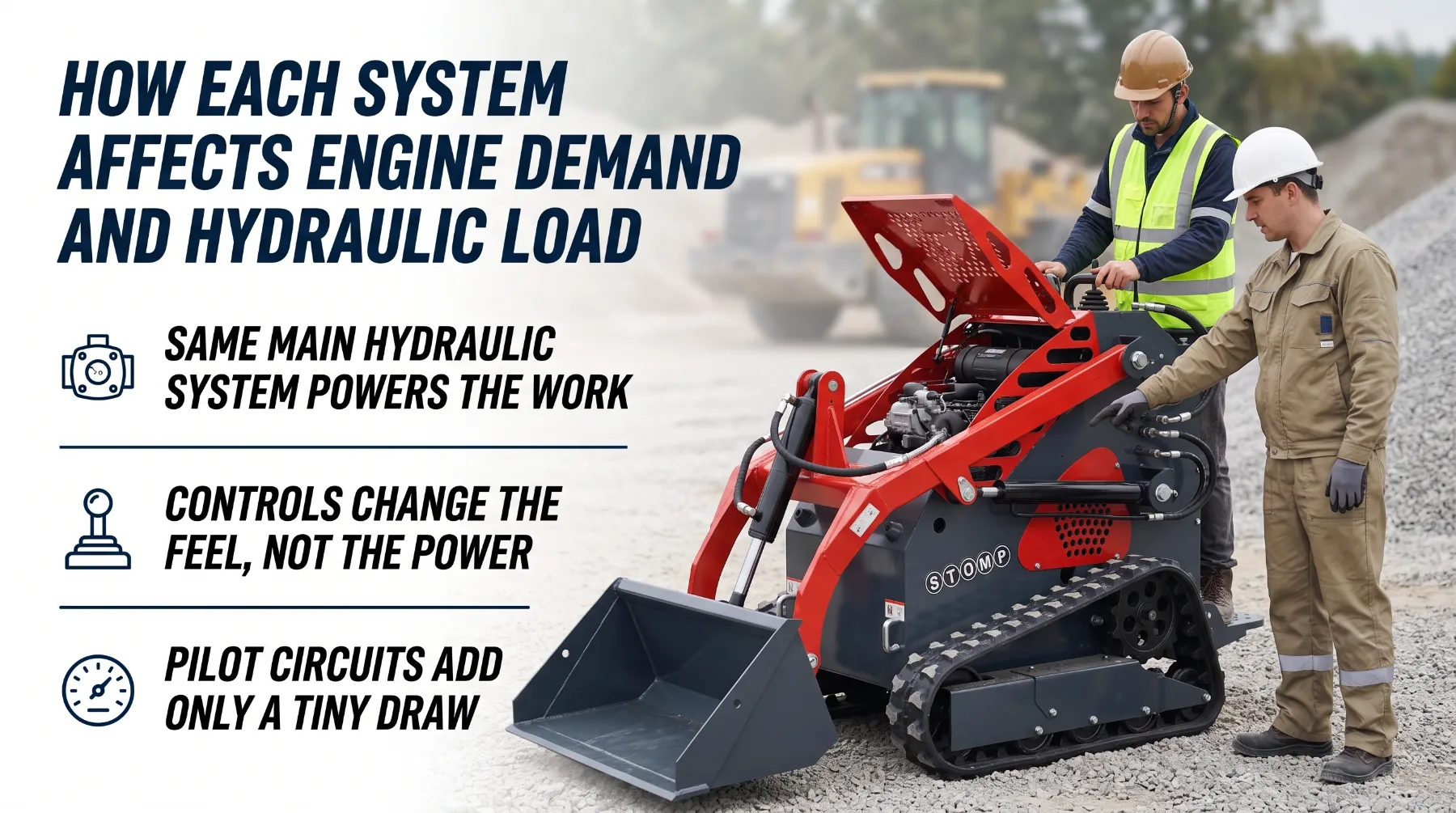 Indirect effects deserve mention, since the way a control system shapes operator behavior can influence engine demand more than the hardware itself. A pilot system's smooth modulation may help an operator apply power more gradually and avoid the abrupt, wasteful inputs that spike hydraulic load, while a firm mechanical setup rewards a practiced hand with the same efficiency. Key takeaway: control type barely changes the engine demand of a given task, since pilot systems add only a small pilot-pressure draw, and any real difference comes from how each system shapes the operator's inputs.
Operator Fatigue and Efficiency Differences
Fatigue is where the two systems part ways most noticeably, because the physical effort of commanding the machine adds up across thousands of inputs in a shift. Mechanical controls ask the operator to push against linkages and valve springs with every movement, a modest effort on any single motion that accumulates into genuine arm and wrist tiredness over a long day of repetitive cycling. The firmer the linkage, the more that effort compounds. Pilot controls ease that burden dramatically, since the joystick moves with almost no resistance and asks little of the operator's hands and arms. An operator running a pilot machine through a full shift of loading, grading, and cycling finishes with less physical strain, which helps sustain focus and precision late in the day when a tired hand on a mechanical machine might grow sloppy. That preserved sharpness protects both productivity and safety as the hours stretch on. Efficiency follows fatigue closely, because a fresher, more comfortable operator works faster and makes fewer mistakes across a demanding schedule. The smooth modulation of a pilot system also lets a skilled operator place loads and finish surfaces with a finesse that speeds exacting work, though a seasoned hand on mechanical controls can match that pace on tasks where raw feel matters more than a light touch. Key takeaway: pilot controls reduce operator fatigue with their effortless action, helping sustain focus, precision, and efficiency through a long shift where mechanical controls demand more physical effort.
Choosing the Right Control System for Your Operation
Selection should start with an honest look at who runs the machine and how long they run it, because the operator's daily experience weighs heavily in this decision. An operation whose crew spends full shifts cycling a skid steer through repetitive work gains real value from the reduced fatigue a pilot system offers, while a business that uses the machine in short bursts may find the firm feel of mechanical controls perfectly comfortable. Matching the system to the hours and the hands is the first practical step. Budget and serviceability pull the decision in their own direction, and they often favor the mechanical side for operations that prize simplicity. A mechanical machine typically costs less to buy and can be repaired with basic tools far from a dealer, which suits a contractor working remote sites or a buyer keeping a close eye on upfront cost. Weighing that simplicity against the comfort and features of a pilot system keeps the choice grounded in what your operation truly needs.
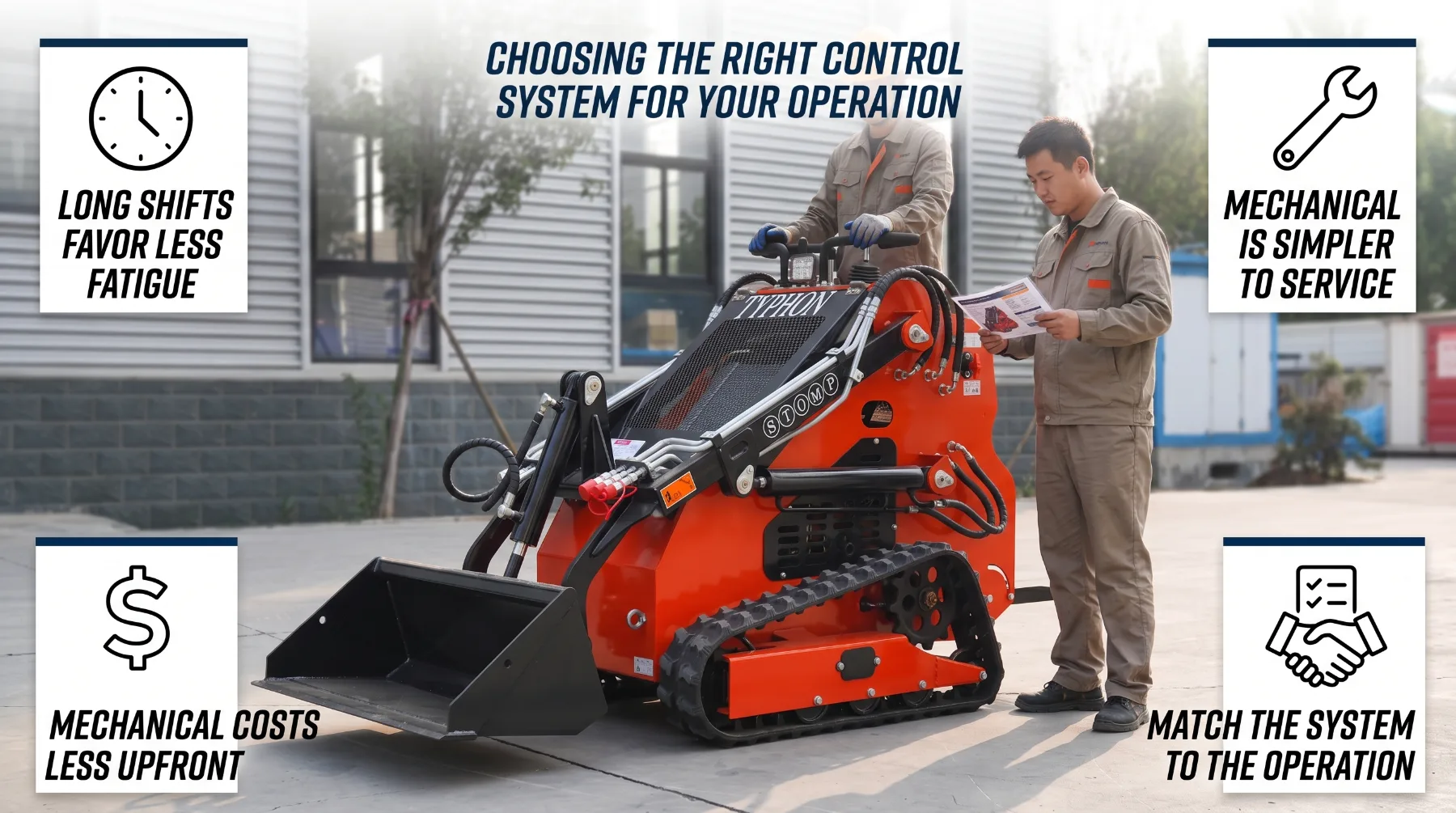 Work type and operator preference settle the balance, since the tasks at hand and the people performing them ultimately define the right fit. Fine grading, precise placement, and long shifts lean toward the smooth modulation of pilot controls, while rugged, straightforward work and operators who love a connected feel lean toward mechanical, so the surest path pairs your real work with a trusted equipment specialist who can match the system to it. Key takeaway: choosing between pilot and mechanical controls means weighing operator hours, budget, serviceability, work type, and preference together, so the machine fits both the job and the hands that run it.
Conclusion
Pilot and mechanical controls give a skid steer operator two different ways to command the same power, and the full picture comes together once you follow each piece in turn. Start by recognizing why the control type matters, since it bridges operator intent and machine action to shape precision, comfort, and confidence. Understand how mechanical controls link the levers directly to the valves through rugged hardware, and how pilot controls replace that linkage with a light, refined hydraulic signal. Weigh the central question honestly: control type barely changes the engine demand of a given task, since a pilot circuit adds only a small pilot-pressure draw while the real work pulls the same power either way. Account for the fatigue and efficiency differences, where pilot controls ease the operator's effort across a long shift, and finish by matching the system to your operator hours, budget, serviceability, and work type. Attend to all six, and you buy and run a skid steer commanded in the way that fits your crew rather than a feel you misunderstand. Before your next purchase, test both systems on real work, weigh the comfort against the cost, and confirm the fit so the machine performs from the first bucket. When you're ready to put a dependable skid steer with the right controls to work, reach out to a trusted equipment specialist who can match reliable equipment to the results your work depends on.
Frequently Asked Questions
Do pilot controls make a skid steer use more fuel than mechanical controls? Not significantly. Pilot controls use a small amount of hydraulic power, but the difference in fuel consumption is usually negligible. Choose based on comfort, precision, and cost instead. What is the main difference between mechanical and pilot controls? Mechanical controls use physical linkages to move the hydraulic valves, while pilot controls use low-pressure hydraulic signals. Mechanical feels more direct; pilot controls offer smoother, lighter operation. Which control system should I choose for my operation? Choose pilot controls for long shifts, smoother operation, and precise work. Choose mechanical controls for lower cost, simpler repairs, and a more direct control feel.